


The Importance of Creativity in Swimming Lessons
- Helen Hughes
- May 4, 2025
- 3 min read
Updated: Jul 25, 2025
Swimming lessons can often feel repetitive. This is why incorporating creative elements is essential. Using stories enhances the learning experience. Instead of merely teaching techniques, we immerse children in narratives that excite and motivate them.
Why Use Stories?
Children are natural storytellers and story-listeners. Narratives help them make sense of the world, understand emotions, and learn new skills. When swim lessons are wrapped in a story, the water becomes a world of wonder—not just a pool.
From the shy swimmer who becomes a courageous explorer to the hyperactive child who focuses deeply to “help the dolphin find her way home,” stories offer purpose-driven play.
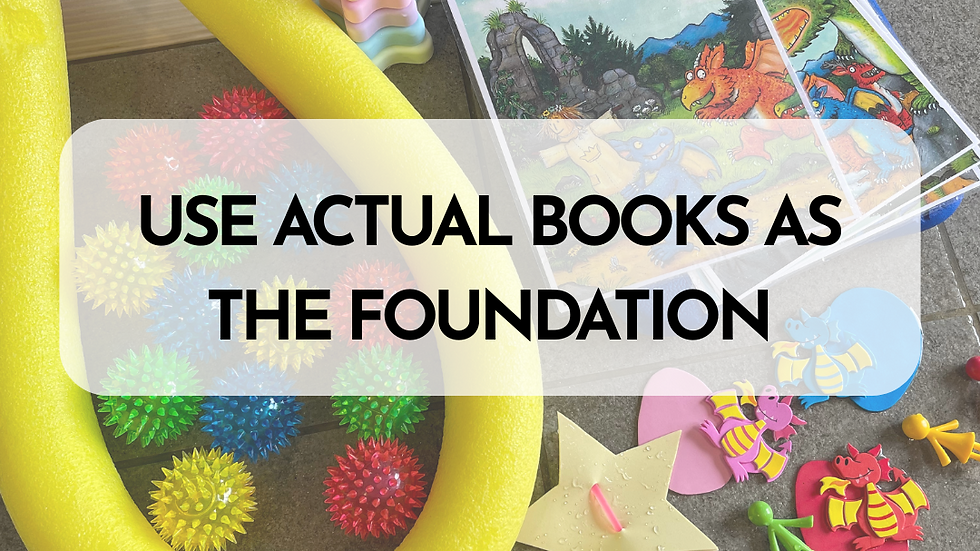
1. Use Actual Books as the Foundation
Begin your session by reading a short picture book or retelling it. Books like We're Going on a Bear Hunt, The Rainbow Fish, or What the Ladybird Heard are brilliant for introducing simple swim movements and themes.
Example: Read The Rainbow Fish, then swim through shimmering ‘currents’ (scarves), collect shiny scales (sinkers), and practice sharing (taking turns diving for objects).
💡 Pro Tip: Choose books with repetition or rhyme for easier recall in the water.

2. Create "A Day in the Life of..." Sessions
These sessions are perfect for inventing structured lessons using a simple story arc.
Examples:
A Day in the Life of a Zookeeper: Feeding animals translates to diving and retrieving while washing elephants means splashing and kicking.
A Day in the Life of an Astronaut: Think rocket arms, weightless floating, and space jumps.
A Day in the Life of a Firefighter: Engage in rescue missions with hose kicks and climbing ladders.
These ideas are fantastic because they:
Offer natural sequencing (morning–noon–night)
Adapt well for solo or group activities
Encourage children to contribute and co-create stories with you

3. Add Songs and Rhymes to Anchor the Story
Songs add rhythm and routine—two elements that young swimmers love. You can create short verses that match your theme or rewrite existing nursery rhymes to fit your swimming objectives.
Example: To the tune of Row, Row, Row Your Boat:
"Kick, kick, kick your legs, make a giant splash! Glide like dolphins in the sea, swim off in a flash!"
Use these songs throughout your session to mark transitions or provide calming moments.

4. Make Up Your Own Mini-Stories
Children enjoy stories, even when they’re made up on the spot. Think of three essential parts: a character, a challenge, and a happy ending.
Example:
Character: A shy sea unicorn
Challenge: She has lost her sparkle and needs help to find it
Ending: She finds her sparkle after completing three water tasks.
This structure creates engagement and memorable experiences for children. They will talk about it long after the lesson has ended.

5. Use Poems or Short Verses for Older Children
Don’t forget about your confident swimmers! Even older children enjoy poetic themes, riddles, or short storytelling segments suitable for their skill levels.
Example for Breaststroke Practice:
“The frog said, stretch, and glide with care, then snap your legs through water and air. Arms in a circle, head held high—now swim with grace, don’t rush, don’t try.”
This style adds imagination to drills and keeps the focus on form.
Storytelling is a Gift for You and Your Swimmers
When we teach through storytelling, we offer more than swim skills. We create:
A sense of adventure
An experience of connection
A way to explore emotions and effort safely
And best of all, you get to enjoy the creative process too.
Additional Benefits of Story-Based Learning
Encourages Creativity
Integrating storytelling in lessons boosts children's creativity. They learn to think outside the box and cultivate their imagination.
Builds Confidence
When children relate to characters in stories, they often see their reflection. This connection can build confidence, pushing them to tackle challenges they might otherwise avoid.
Fosters Teamwork
When stories are co-created, children learn to listen to each other and share ideas. This fosters a sense of community and teamwork in the pool.
Want Help Planning Story-Based Lessons?
Inside the SWIM Squad Membership, you'll find:
Done-for-you story lesson plans
Printable storytelling planner templates
Matching poems, songs, and games
Creative seasonal themes to rotate all year
Start small. Begin with just one story. You’ll quickly see how your swimmers start believing in their very own water world.
The SWIM Squad membership is your all-in-one resource hub for fun, purposeful swimming activities, lesson inspiration, and exclusive support—perfect for swim teachers who want to level up their teaching every month.
Sign up today:


Comments